Visiting real-life locations from your favorite anime—known as seichi junrei (pilgrimage)—is a dream for many fans. But unlike theme parks, these places are real neighborhoods, historic sites, and everyday community spaces.
In Japan, there’s a strong cultural emphasis on wa—harmony and respect for others. Keeping a few simple, often unspoken rules in mind will help you enjoy your trip while staying welcome as a visitor.
1. Photography: Be Mindful of Privacy

Recreating scenes from anime is one of the highlights of a pilgrimage. Just remember that you’re sharing space with real people.
Avoid photographing strangers without permission, especially if you plan to post the images online. If someone appears in your shot, blurring their face is a thoughtful and widely appreciated step.
And while it can be exciting to find a building that looks exactly like one from a show, it’s still someone’s home. Stick to public spaces, take your photo, and move on—no peeking, no lingering.
2. Keep It Quiet (Especially on Trains)
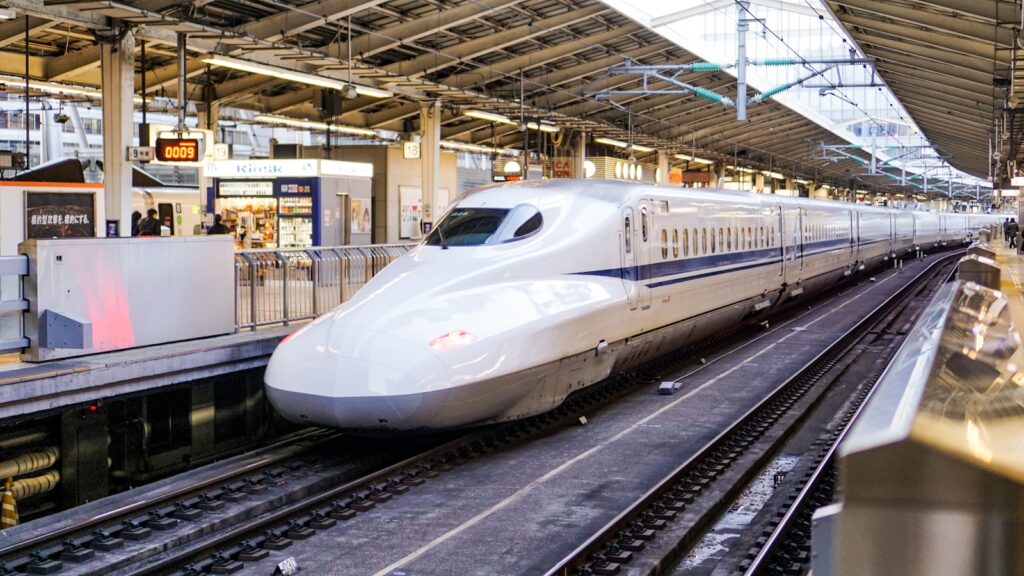
If you’re used to lively public transport, Japan can feel very different. Trains are generally quiet, and people treat them as a place to rest.
Keep your phone on silent (often called “manner mode”), avoid phone calls, and speak in a low voice if needed.
The same goes for residential areas. Many pilgrimage spots are in quiet neighborhoods, so keeping noise down—especially in groups—helps maintain a good relationship between visitors and locals.
3. Shrines and Temples: More Than Just Photo Spots
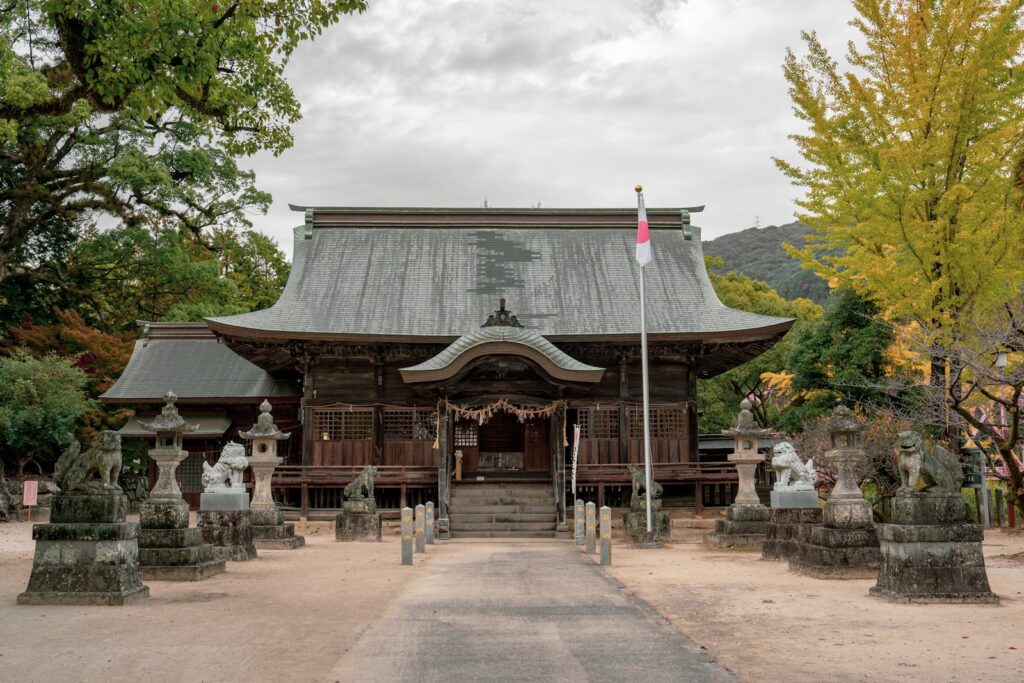
Shrines and temples may look familiar from anime, but they are active places of worship.
Before passing through a torii gate, it’s customary to give a small bow as a sign of respect.
At the purification fountain (temizuya), use the ladle to rinse your hands. If you’d like to follow the full custom, you can also rinse your mouth by pouring water into your hand—never drink directly from the ladle.
A small gesture of awareness goes a long way here.
4. No Trash Cans? Plan Ahead
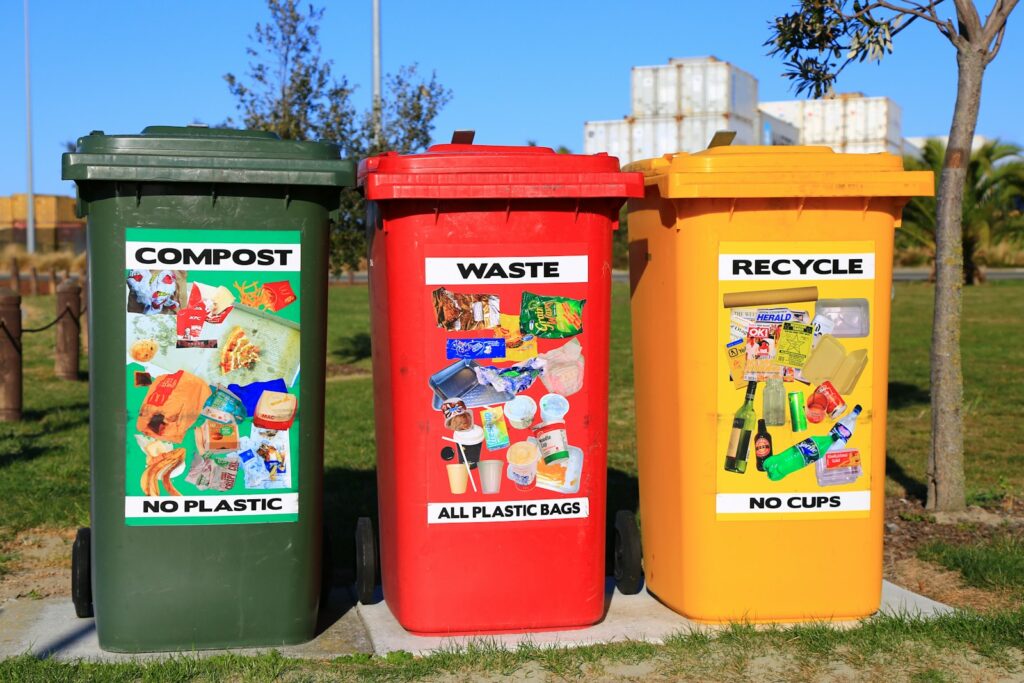
One of the first surprises for many visitors is how few public trash cans there are.
This is by design—people are expected to carry their trash with them. Bringing a small bag makes this easy and saves you from having to search for a bin.
Also note: bins next to vending machines are only for bottles and cans. Using them for other trash is considered poor etiquette.
5. Dining Etiquette: Simple but Important
Japan is known for its hospitality, and tipping isn’t part of the culture.
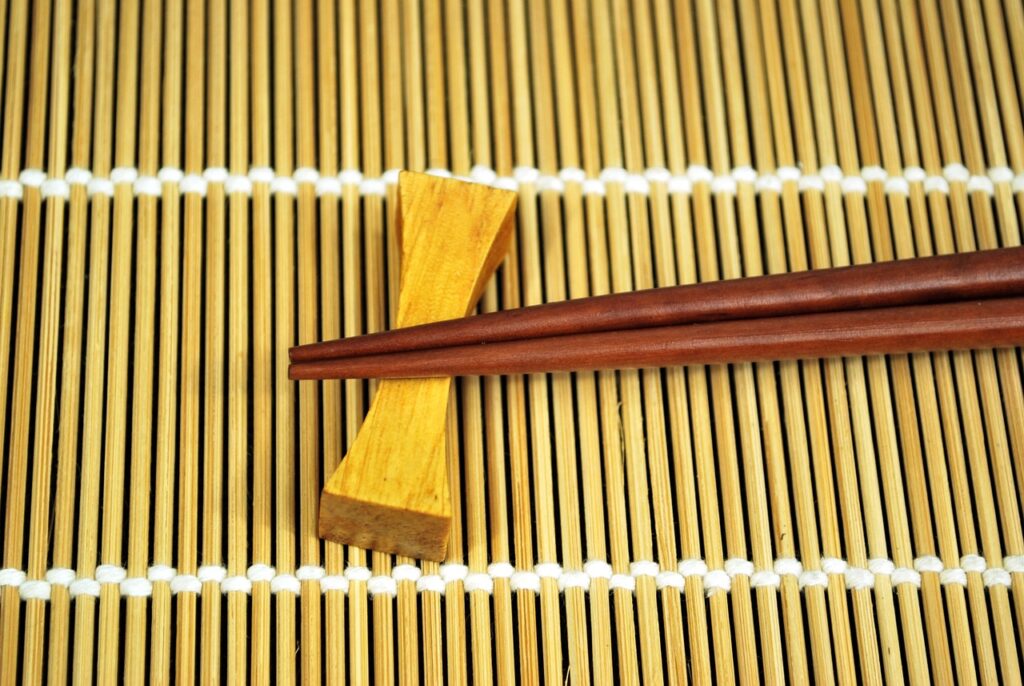
There are also a couple of important chopstick rules:
- Don’t stick chopsticks upright in a bowl of rice
- Don’t pass food directly from one pair of chopsticks to another
Both are associated with funeral customs. If you’re sharing food, just place it on a plate first.
When you’re finished, a simple “Gochisousama deshita” (“Thank you for the meal”) is the best way to show appreciation.
In Short: Three Things to Remember
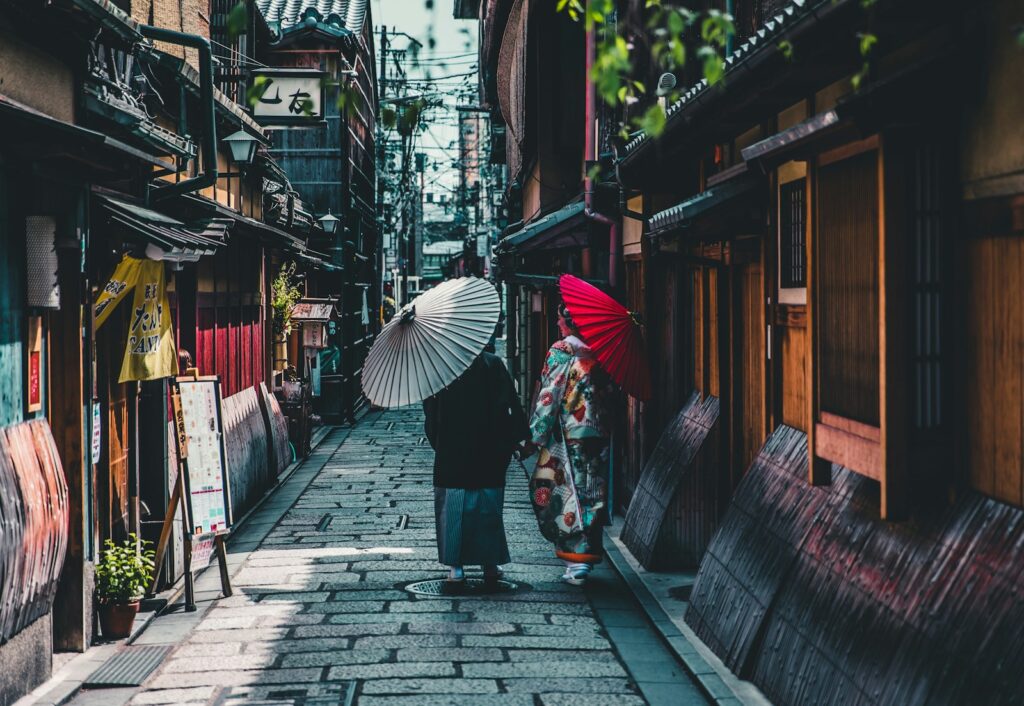
- Respect the space – You’re visiting real communities, not sets
- Stay aware – Keep noise down and be mindful of your surroundings
- Show appreciation – A few polite words matter more than money
Enjoy your pilgrimage—and help make sure these places stay welcoming for the fans who come after you.
—is a dream)